What is Ethylene Gas and How Does it Affect Produce?
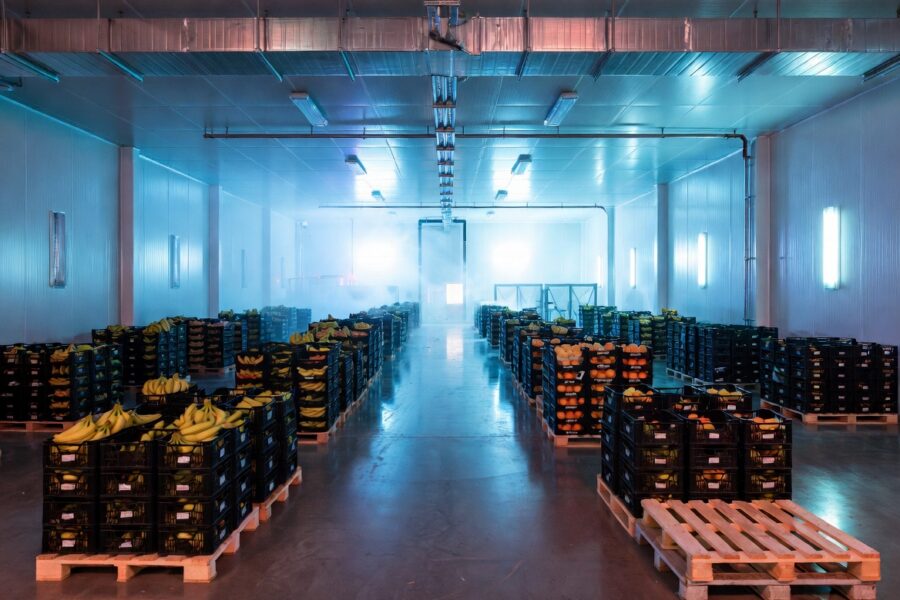
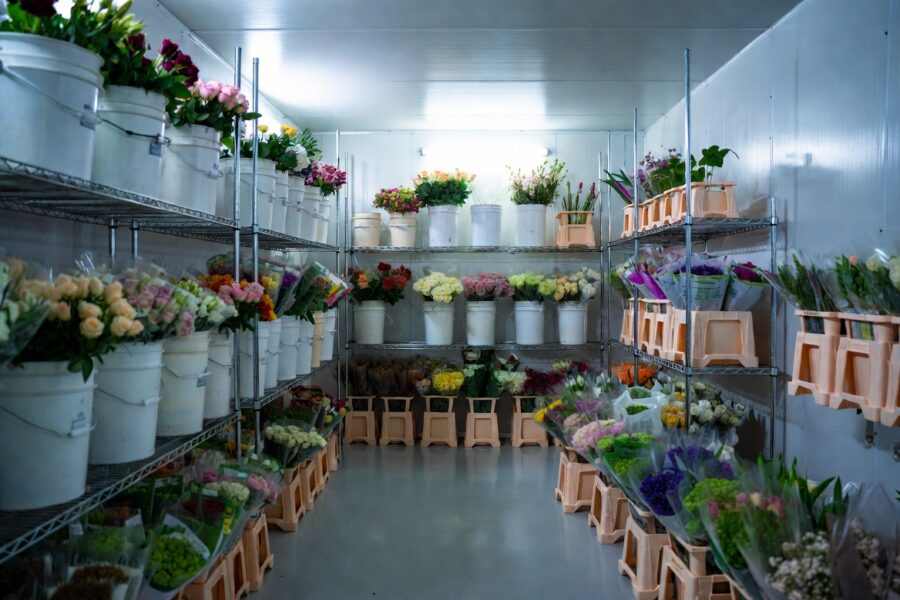
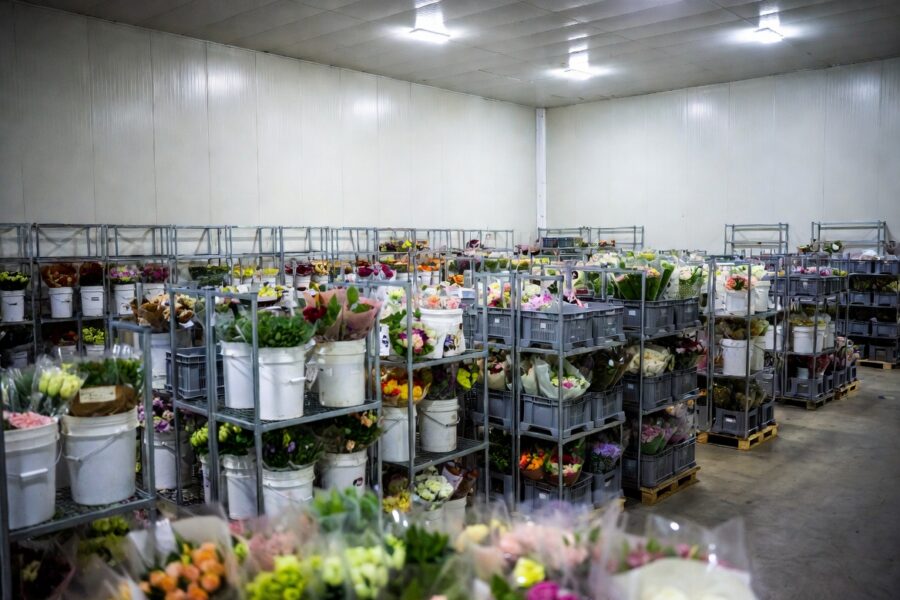
Ethylene gas is a naturally occurring plant hormone that plays a crucial role in the ripening process of fruits and vegetables. As produce ripens, it releases ethylene, which in turn accelerates the ripening of nearby produce. This can be beneficial for controlled ripening but also leads to premature spoilage if not managed properly.
Understanding the impact of ethylene gas is vital for extending the shelf life of perishable goods. High concentrations of ethylene can cause accelerated ripening, leading to softening, color changes, and eventually decay. This is why managing ethylene levels is a key concern in commercial storage and even in home kitchens.
Benefits of Air Purification for Businesses
Implementing air purification systems in commercial settings offers significant advantages, contributing to a healthier environment for employees and customers alike. Cleaner air can reduce the spread of airborne illnesses, leading to fewer sick days and increased productivity. It also creates a more pleasant and welcoming atmosphere, enhancing the overall experience for visitors.
Beyond health benefits, advanced air purification can also address specific business needs. For instance, in food service industries, it can help eliminate odors, while in retail spaces, it can reduce the transmission of allergens and pollutants, contributing to a more comfortable and hygienic environment for everyone.
How Airocide Technology Differs from Traditional Air Filters
Airocide's patented technology offers a distinct advantage over conventional air filters by actively destroying airborne pathogens and volatile organic compounds (VOCs) rather than merely trapping them. Traditional filters rely on physical barriers to capture particles, which can become saturated and require frequent replacement, potentially recirculating captured contaminants.
In contrast, Airocide's system utilizes a unique UV-C light reaction that breaks down organic molecules at a cellular level. This process effectively eliminates bacteria, viruses, mold spores, and harmful gases, providing a more comprehensive and sustainable solution for air disinfection without producing ozone or requiring filter replacements.
The Science Behind UV Light Disinfection
UV light disinfection, particularly using UV-C wavelengths, is a scientifically proven method for inactivating microorganisms. When UV-C light penetrates the cell walls of bacteria, viruses, and mold, it damages their DNA and RNA, rendering them unable to reproduce and effectively neutralizing their harmful effects.
This technology is highly effective against a broad spectrum of pathogens. The intensity and duration of UV-C exposure are critical factors in its efficacy. Airocide's systems are engineered to deliver the optimal UV-C dosage, ensuring thorough disinfection of the air passing through the unit.